Why Today’s Afghanistan Needs Women Leaders?
By Sakhi Bayramli
Introduction
Over the past decades, the world, and Afghanistan as part of it, has experienced rapid social, economic, and environmental changes; rendering traditional leadership approaches increasingly inadequate. For these reasons, a new model of leadership is needed, the one grounded in empathy, participatory management, transparency, and the capacity to address complex challenges. Numerous research shows that these qualities are more prominently reflected in what is often described as “women’s leadership” styles (UN Women, 2015).
Leadership “by women” can build synergistic networks, prioritize public welfare, and respond flexibly to large-scale political, social, and cultural crises (World Bank, 2015). Another key reason to focus specifically on women’s leadership is not only gender justice, but policy effectiveness. Numerous studies demonstrate that women’s presence in leadership positions is associated with increased investment in social services, health, and education, leading to improved development outcomes (OECD, 2018). Promoting women’s leadership is therefore both morally compelling and practically effective for contemporary societies (Robinson, 2019).
At this point, it is important to note that critics often argue that societies like Afghanistan lack the social or cultural readiness to accept women as top leaders (such as prime minister or president). Yet history shows that nowhere in the world were “conditions fully ready” when women first rose to the highest leadership positions. Progress always began somewhere; conditions were shaped gradually through practice and persistence.
Contemporary Examples of Women’s Leadership Worldwide
In the West, experiences such as the leadership of Cristina Fernández, Angela Merkel, and Jacinda Ardern demonstrate that women leaders can maintain public trust during political and social crises; such as Germany’s 2015 migration crisis, or even during global health emergencies like the COVID-19 pandemic in 2019–2020, through transparent, evidence-based decision-making (Ardern case studies, 2020).
In Europe, Angela Merkel’s nearly seventeen-year tenure as chancellor, during which she led Europe’s largest economy, has become a widely cited example of stability, balance, and pragmatism in leadership (Merkel analyses, 2017).
In the East, examples such as Shirin Ebadi in Iran (as a human rights advocate and leader), the rise of Benazir Bhutto in Pakistan, and the leadership of Sheikh Hasina in Bangladesh and Tsai Ing-wen in Taiwan, all illustrate that women’s leadership can generate significant social, institutional, and structural progress even in diverse cultural contexts (Hasina, Bhutto, Tsai reports, 2015–2019). These cases show that while historical and social conditions vary widely across countries, women’s leadership styles have a high capacity for adaptation and impact across different ideological and cultural environments (Global Gender Leadership Review, 2018).
Examples of Women’s Leadership in Afghanistan
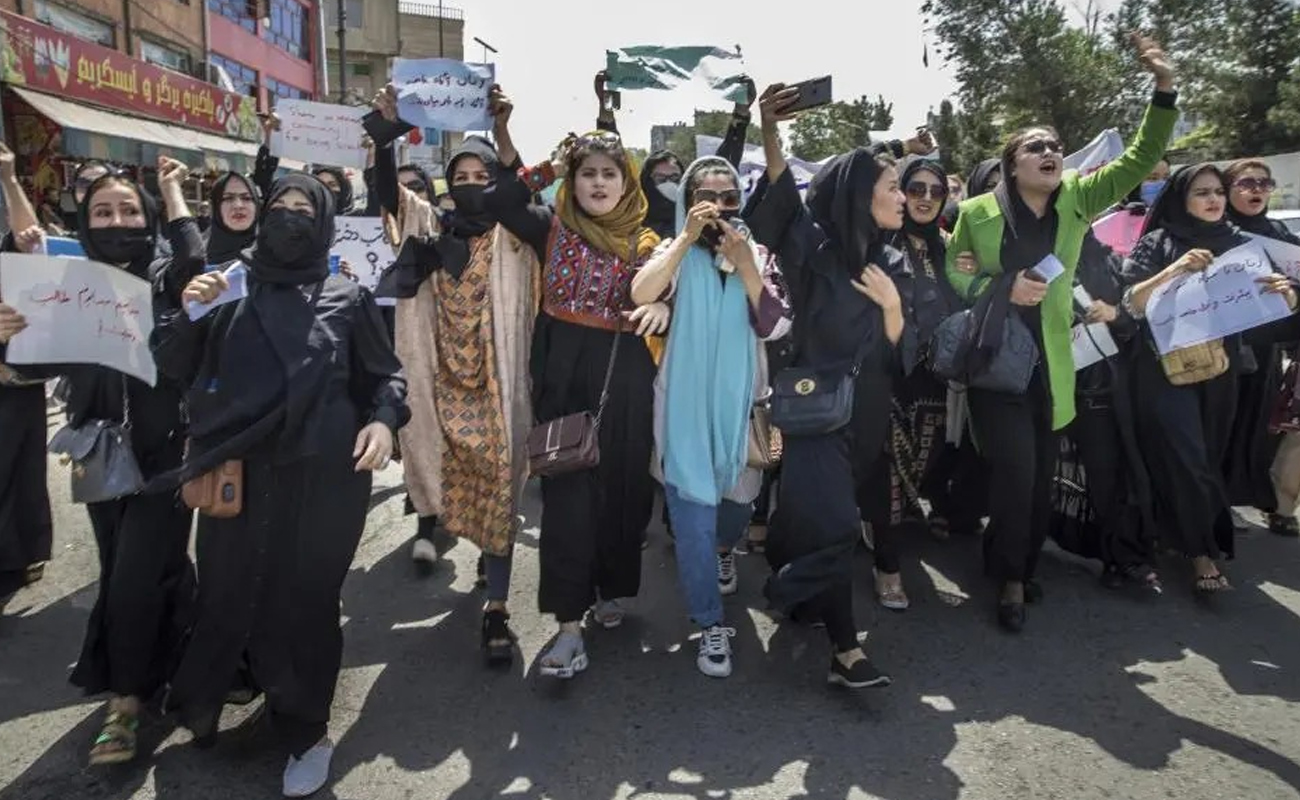
Afghanistan itself has a long history of pioneering women in social and political life. From countless women’s rights activists; too many to name in a single piece, to leaders such as Fawzia Koofi, Shukria Barakzai, Aliye Yilmaz, Farukhleqa Unchizada, Sahra Karimi, Qamar Roya Eshchi, Shinkai Karokhail, Zarqa Yaftali, Orzala Nemat, Rahila Sediqi, and Sima Samar, as well as many local administrators and mayors, there is ample evidence that Afghan women have made meaningful contributions even under extremely difficult conditions in a men dominated society. These experiences show that women have been able to improve social services and bring the voices of vulnerable groups into decision-making structures (Samar interviews, 2002; Koofi statements, 2018).
In the health sector specifically, women-led organizations and forms of “local women’s leadership” - including figures such as Suraya Dalil and Habiba Sarabi-have demonstrated that resource distribution, health services delivery, and health planning can be more effective and responsive when guided by women’s leadership compared to narrowly male-dominated perspectives (UNICEF, Afghanistan reports 2018, 2020). Nevertheless, the structural, cultural, and security barriers faced by Afghan women remain immense and require sustained national and international support for women’s leadership potential to fully flourish (Human Rights Watch, 2020).
The Need for a New Approach: Women’s Leadership as a Practical Solution for Afghanistan
New solutions must not simply replicate old models; they must be rooted in an understanding of contemporary and local complexities, equality, and inclusive participation. In an Afghanistan that has yet to fully experience such an approach, women’s leadership, by combining social justice discourse with strong managerial capacity, can steer policies toward more humane and sustainable priorities. These include investment in public and community health, girls’ education, women’s right to work, social protection networks, and even responses to climate change and migration (World Bank, 2012; Robinson, 2019).
Within Afghanistan’s traditional context, women’s leadership means developing approaches that both strengthen civil society capacity and give greater weight to public welfare–oriented policymaking. Achieving this requires long-term planning, continuous community education, the creation of local and national mechanisms, leadership development for young women, and legal and security support so that women can participate safely and effectively at all levels of decision-making processes (UN Women, 2015; Human Rights Watch, 2020).
Conclusion
In conclusion, a new form of leadership, centred on empathy, participation, transparency, and prioritizing public well-being is essential to confront the challenges of the twenty-first century. International experience and Afghan examples alike demonstrate that women’s leadership is not only a matter of justice, but a practical and effective solution capable of producing positive and sustainable outcomes for societies like Afghanistan.
These discussions alongside broader debates on women’s justice, were revisited during the past two days at the third “HearUs” annual summit here in Madrid organised by “Women for Afghanistan” in cooperation with Spain’s Ministry of Foreign Affairs. As highlighted in one of the Panel discussions, the time may have come for Afghan women to work not only for women, but for all of Afghanistan. Because this country, more than ever, urgently needs women leaders to achieve lasting peace, equality, and freedom.
To realize this vision, Afghanistan must draw lessons from countries with relatively similar cultural traditions, reduce structural barriers, and pursue educational and institutional strategies to empower women in leadership roles (OECD, 2018; UN Women, 2015).
References (Numbered)
1. UN Women. (2015). Progress of the World’s Women: Transforming Economies, Realizing Rights.
2. World Bank. (2012). Voice and Agency: Empowering Women and Girls for Shared Prosperity.
3. Robinson, M. (2019). Climate Justice and Leadership: Linking Rights and Solutions.
4. OECD. (2018). Bridging the Gender Gap: Policies for Inclusive Growth.
5. Human Rights Watch. (2020). Afghanistan: Women’s Rights and Barriers to Participation.
6. UNICEF. Afghanistan reports on access to health and education for mothers and children.
7. Case studies and interviews on contemporary women leaders: analyses of Angela Merkel, Jacinda Ardern, Sheikh Hasina, Benazir Bhutto, and Tsai Ing-wen.
Sakhi Bayramli (MS.c.), Public Health Researcher and Human Rights Activist - Bonn and Brussels.